
In a region partly shaped by change and uncertainty, Gebr. Heinemann focuses on lasting partnerships and perspectives.
In recognition of the strategic importance of the Middle East Africa (MEA) region and the need for strong local capabilities in a dynamic environment, Gebr. Heinemann elevated its Dubai office to the status of regional headquarters in 2025. Along with the regional headquarters in Miami and Singapore, Heinemann Middle East Africa now represents an important pillar of the company’s global organization.
Under the leadership of CEO Bernard Schlafstein, Heinemann Middle East Africa is guided by an experienced executive who was instrumental in the company’s market entry and early successes in the region as Director Sales and now drives the organization forward with his deep market insight and strategic vision.
How important is the Middle East Africa market for Gebr. Heinemann?
Bernard Schlafstein: With around 70 countries, Middle East Africa is a highly diverse region with very different market dynamics. While the operating environment can be volatile in parts of the region, MEA continues to strengthen its role in global travel retail, supported by infrastructure investment and a growing international traveler base. For Gebr. Heinemann, this makes it an important strategic region across both distribution and retail. We therefore take a long-term perspective and invest selectively in infrastructure and talent, guided by close cooperation with partners and a disciplined approach to risk.
Saudi Arabia is a key market within this strategy. With our retail operations at King Abdulaziz International Airport in Jeddah and our involvement on Saudi Arabia’s first cruise ship, AROYA, we have built a solid platform for further development. At the same time, we remain attentive to rapidly changing conditions and manage our engagement with flexibility, all the while continuing to believe in the region’s long-term potential.
What is the significance of establishing Heinemann Middle East Africa as the regional headquarters?
Bernard Schlafstein: As a family-owned company, we firmly believe that enduring relationships and trust are the foundation of success. This has been particularly important in the Middle East. Since opening our regional office in Dubai in 2023, we have moved closer to the market – to our customers, landlords, and brand partners – and strengthened the agility to respond and adapt quickly and effectively to local developments as needed. We continue to see potential over time. By upgrading the Dubai office to a regional headquarters and further strengthening our local team, we are underscoring our sustained commitment to the region and reinforcing reliability for our partners. In addition, the Middle East serves as a strategic gateway to Africa.
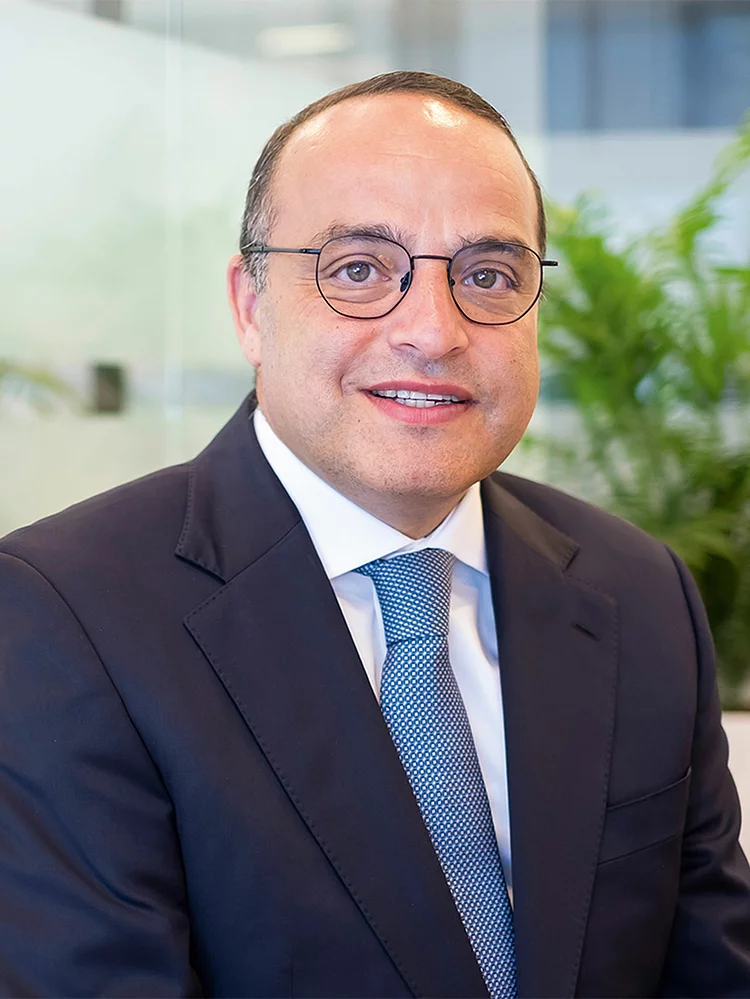
“By upgrading the Dubai office to a regional headquarters and further strengthening our local team, we are underscoring our sustained commitment to the region and reinforcing reliability for our partners.”
How does Gebr. Heinemann structure its supply chains to serve the region?
Bernard Schlafstein: Regional logistics are essential for faster delivery times, greater flexibility, and a more curated product range for travelers. Our transit warehouse in Dubai already enables direct deliveries into the Saudi Arabian market, bypassing our distribution centers in Germany. Along with the new logistics hub we are planning in Istanbul, this setup creates a fast and resilient supply chain that supports sustainable growth across the region.
You mentioned the shops in Jeddah. What makes these retail operations so special?
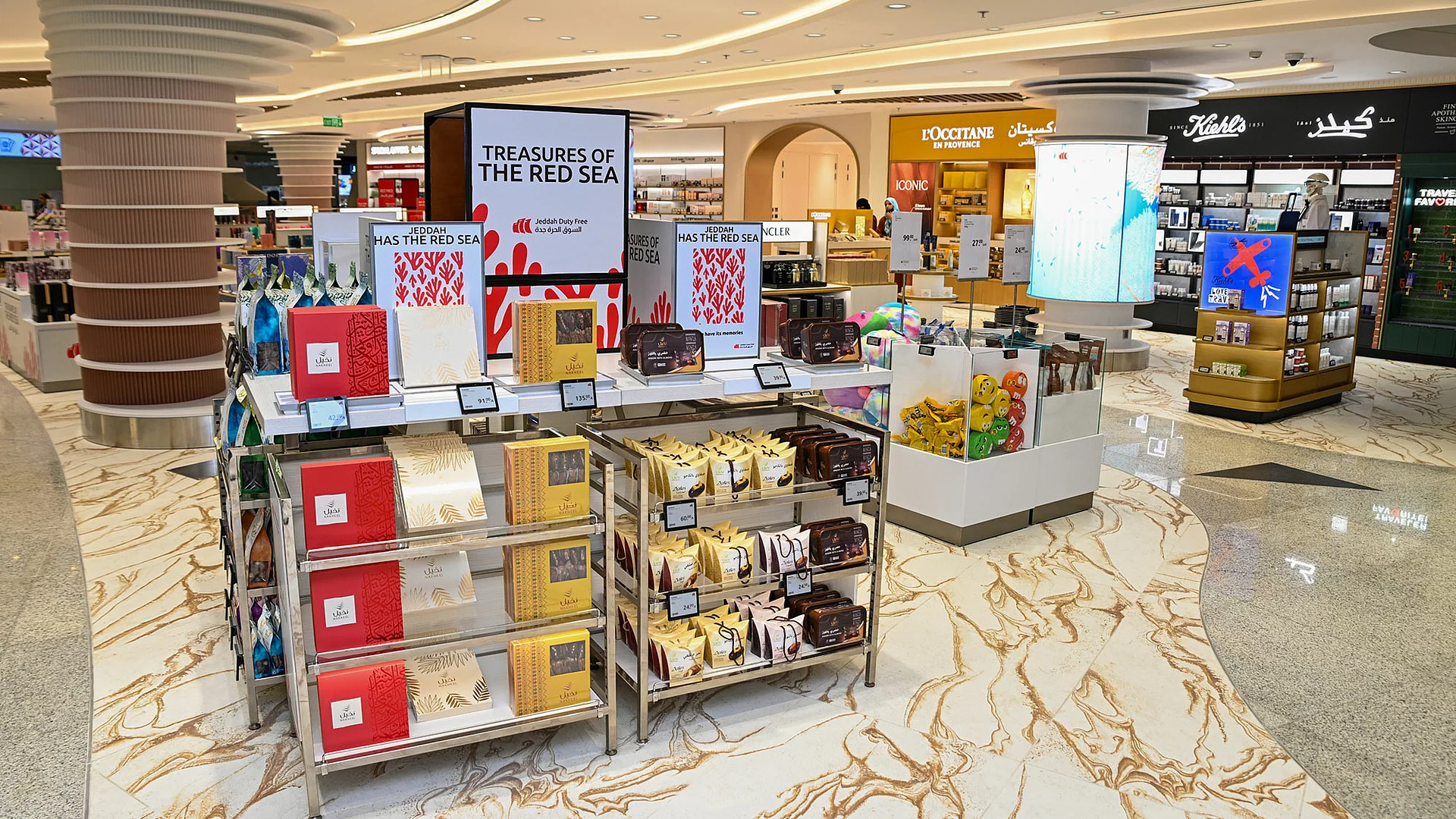
Bernard Schlafstein: Jeddah is a key location in our regional network. We made substantial investments in expanding, refurbishing, and modernizing the retail space and completed the project with a major reopening in September 2025. The result is a world-class shopping experience that reflects both the character of the airport and the cultural identity of Saudi Arabia, showcasing our strength in integrating architecture, brand storytelling, and the overall guest experience.
Current figures have been strong to date. These positive developments, as well as our ability to successfully deliver such a complex project in a new market, are the result of the close collaboration within the joint venture with the Astra Group and Jordanian Duty Free Shops, as well as our partnership with the airport operator JEDCO. Such partnerships enable us to create opportunities across all channels and to learn directly from the market. In a dynamic environment, they also help us stay agile and respond to change when needed.
What trends are shaping assortment development in Saudi Arabia?
Bernard Schlafstein: Luxury products such as fragrances and fashion items are in particularly high demand. We are also seeing a growing appetite for niche fragrances, reflecting a shift toward more individual and exclusive choices.
At the same time, shoppers in the Middle East show a strong preference for local brands and products that reflect their culture and identity, offering an authentic sense of place. In Jeddah, this comes to life through exclusive boutiques and classic duty-free shops, complemented by a traditional souk offering local products such as chocolate, dates, nuts, and prayer rugs.
How is the travel retail business developing in Africa?
Bernard Schlafstein: Africa is a dynamic growth market with strong potential. Gebr. Heinemann currently supplies around 40 countries and operates retail businesses through joint ventures in South Africa, Nigeria, and Egypt. In recent years, we have focused on building strong local partnerships, as every African market is unique. Our strength lies in adapting to these differences and building trust on the ground.
What is the focus of your Africa business?
Bernard Schlafstein: Wholesale represents the primary growth driver of our Africa strategy. Since 2022, we have tripled wholesale revenue and constantly keep adding new customers, ranging from pure distribution contracts to close collaboration in marketing and operations.
Mauritius is an excellent example of a long-standing, highly collaborative partnership. Beyond purchasing and delivery, we also provide shop concepts, brand staging, customized furniture, and the introduction of new premium brands. As part of this collaboration, we supported Mauritius Duty Free Paradise in redesigning its duty-free shops, which officially reopened in March 2025.
What opportunities do you see in operating your own retail business across Africa?
Bernard Schlafstein: In addition to our joint ventures in Nigeria and Egypt, where we offer customized retail approaches, Big Five Duty Free in South Africa represents a core pillar of our African retail business. We are actively working to expand this partnership further.
Beyond that, we have identified several additional countries with strong long-term retail potential, including Ethiopia, Kenya, and Angola. We are approaching these markets together with local partners. While challenges remain, particularly with regard to regulatory frameworks and investment conditions, we remain flexible in our business models.
What role does sustainability play in the MEA business?
Bernard Schlafstein: With Heinemann Middle East Africa, we are fully committed to Gebr. Heinemann’s global sustainability goals. We also work with industry partners across the region on shared objectives, from assortment strategies to implementing sustainable shop concepts. I support this through my membership in the Middle East & Africa Duty Free Association’s Sustainability Committee.
What are your ambitions and next steps for MEA?
Bernard Schlafstein: Our Middle East Africa business delivered a strong performance in 2025, supported by our diversified presence across the region. Looking ahead, we are realistic about the uncertainties that remain in parts of MEA and know that conditions can change quickly. Therefore, our focus is on resilient operations, responsible risk management, and close collaboration with our partners.
Our ambition is to continue deepening our regional roots, further expand our network of local suppliers and partners, and remain open to new opportunities where conditions allow. We pursue this goal with a long-term perspective and a high degree of flexibility, aiming to be active across key channels – including airports, border shops, and port locations – in a way that is both sustainable and responsible.
Contact
Bernard Schlafstein
B_Schlafstein@gebr-heinemann.de