
Gebr. Heinemann promotes value-driven cooperation that enhances agility and strengthens commercial results.
Nico Reifkogel, Director Business Development Sales, explains why a collaborative partnership approach is essential for fostering innovation and flexibility in the travel retail market, creating solutions that inspire today’s travelers.
The world of travel retail is changing quickly. Why is the traditional concession model reaching its limits?
Nico Reifkogel: Our revenues have become more unpredictable. The industry faces major challenges, including volatile passenger flows caused by geopolitical and economic crises, regulatory changes, shorter dwell times at airports due to increasingly digitalized passenger processes, shifting consumer behavior influenced by the growing relevance of Gen Z and their demand for new assortments, and the resulting margin pressure. The classic concession model with minimum guarantees simply can’t keep up with these changes. Retailers struggle to operate profitably, and airports risk providing a poor customer experience and having empty spaces. This makes it clear that we share a common problem.
How can we solve this problem?
Nico Reifkogel: Landlords and retailers need to move beyond rigid frameworks and embrace dynamic, value-driven ways of working together. We need to shape partnership models for tomorrow’s travel retail market to ensure its continued relevance. Tender processes shouldn’t just be about who bids the most; they need to reward the best ideas. And that requires room for investment. This is exactly where our three Heinemann core competencies help shape better partnerships: our Flexible Portfolio of Services & Business Models, our People-Powered Partnership Excellence, and our Data Intelligence across the Value Chain. These capabilities allow us to configure contract models precisely, collaborate effectively, and use insights to strengthen commercial outcomes.
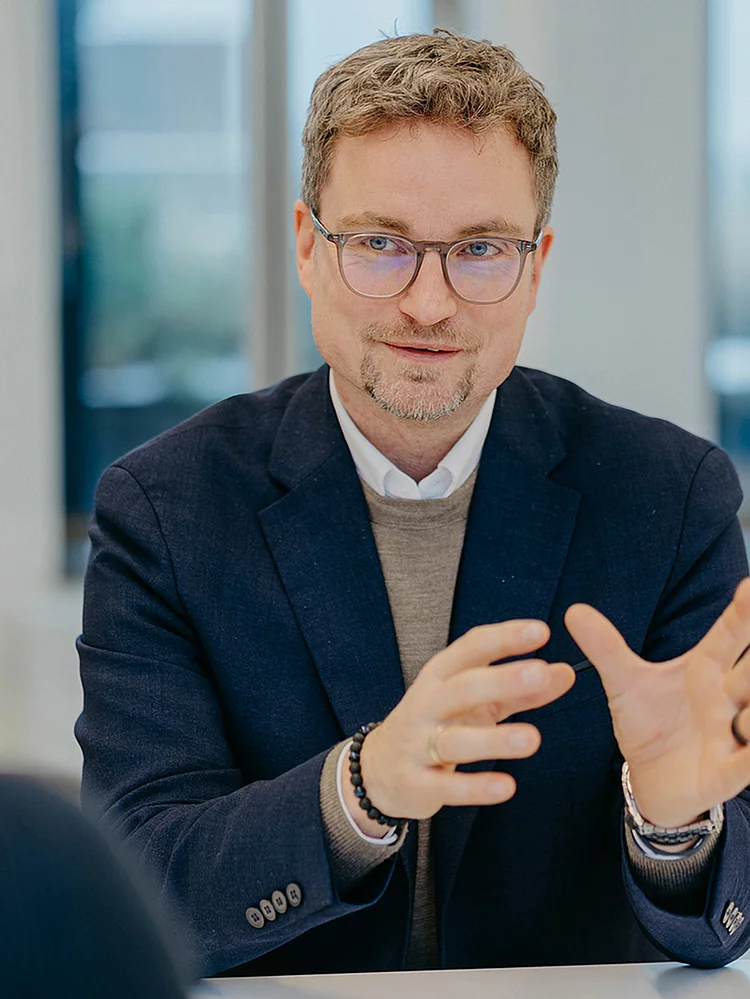
“Landlords and retailers need to move beyond rigid frameworks and embrace dynamic, value-driven ways of working together. We need to shape partnership models for tomorrow’s travel retail market to ensure its continued relevance.”
What kind of investments are we talking about?
Nico Reifkogel: We need to create a shopping environment that appeals to new target groups and list the brands they want, such as local brands, influencer brands, trend brands – sometimes even temporary ones. We need flexibility in negotiations to bring these brands into travel retail.
Beyond that, we need more opportunities to invest in digital services, omnichannel solutions, and personalized experiences. We also have to launch new shop concepts or adapt existing ones quickly to respond to changes on the landlord’s side, such as rerouting or new airlines. All of these elements must be part of a future-oriented partnership that benefits both sides.
What partnership models does Gebr. Heinemann offer?
Nico Reifkogel: We’re not just an operator; we’re also an advisor and partner. That’s why we focus on tailored solutions that can evolve in the short term or over many years. We design contract models that fit each location’s specific challenges. Our range includes everything from self-operation to joint ventures of all kinds in various countries, all the way to profit-sharing models that eliminate fixed costs and allow for shared risk and opportunity. We also offer distribution, which can be enriched with different services if needed. However, this remains relatively traditional: We deliver products and services from a single source, giving partners clear consolidation and efficiency.
How did Gebr. Heinemann implement these approaches in 2025?
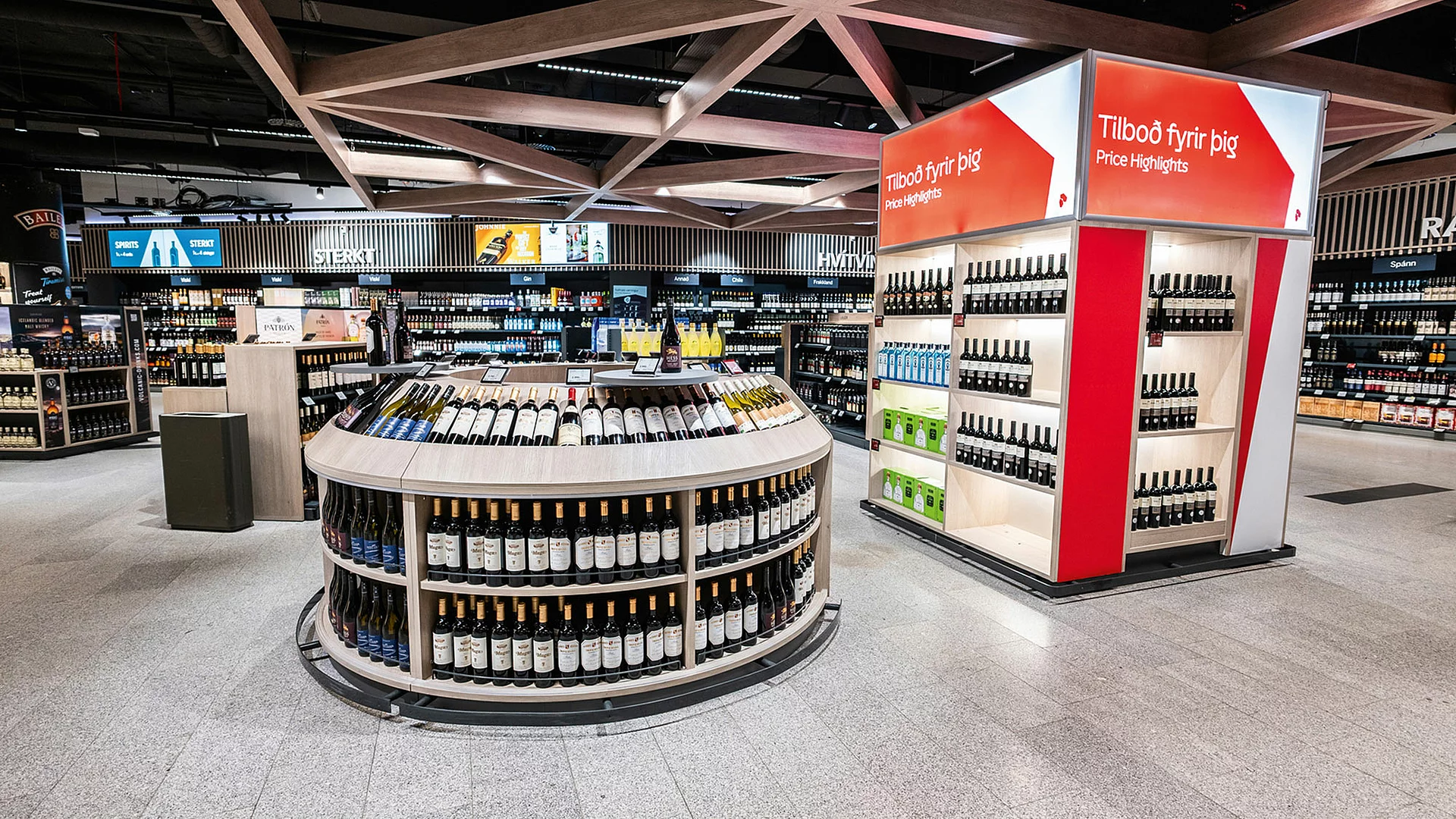
Nico Reifkogel: In Iceland, we took over the shops at Keflavík Airport from a state-owned company and now operate as the airport’s direct partner through our own retail entity on-site. In Turkey, we assumed responsibility for the shops at Antalya Airport through ATU Duty Free – a subsidiary of TAV Airports and our joint venture with Unifree Duty Free. And in the Baltic region, starting in 2026, we will take over Scandlines’ ferry and border shop business under a combination of a concession agreement and a profit-sharing model.
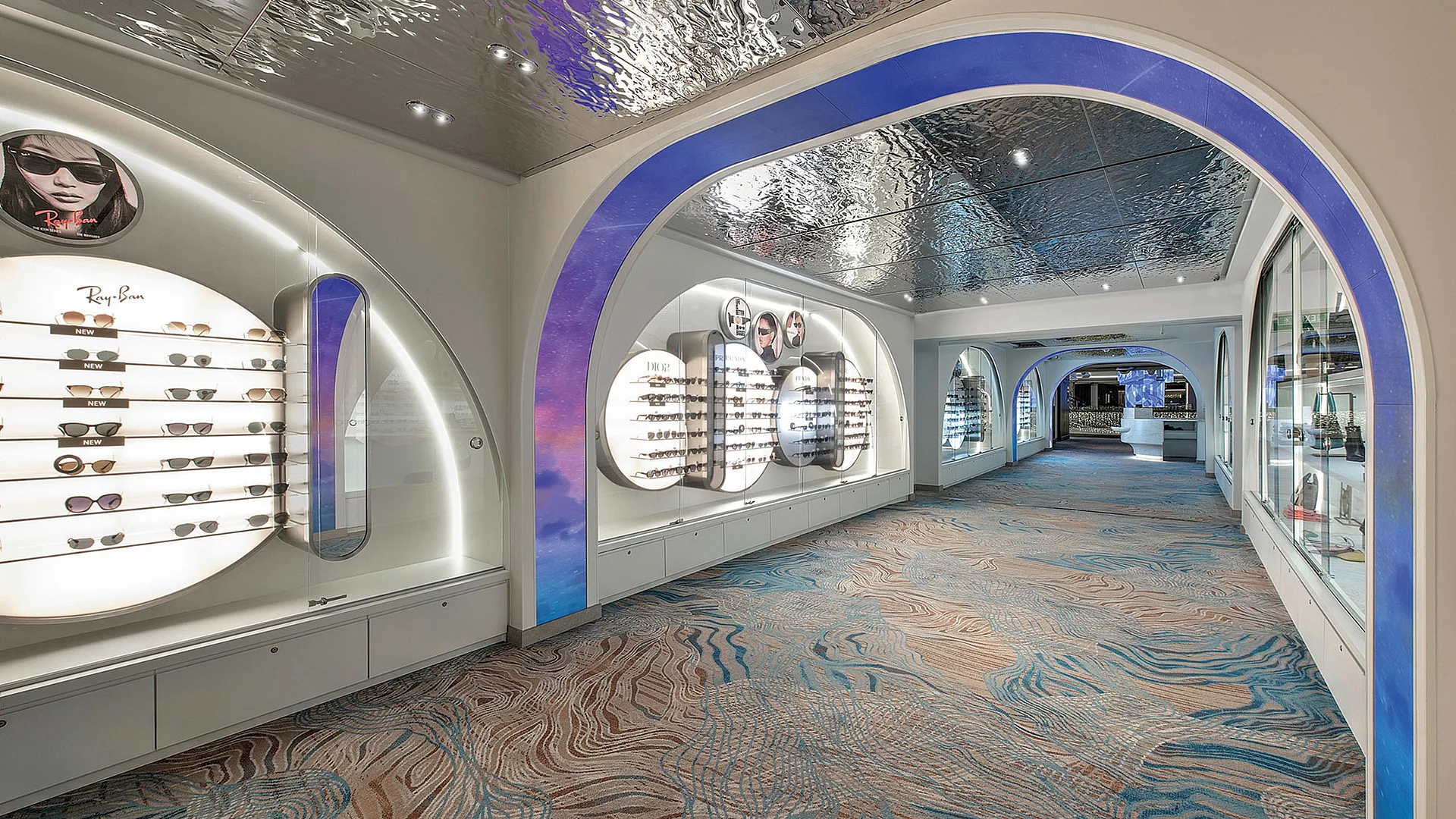
Another strong example is the AROYA cruise ship, where we completed our first full business year in 2025. Our partner Cruise Saudi was new to the market, and the target audience – mainly travelers from the Red Sea region – was still unfamiliar to both of us. We embraced this challenge and worked with Cruise Saudi to create a profit-sharing model that exemplifies partnership excellence.
How does Gebr. Heinemann stand out as a partner in the market?
Nico Reifkogel: First, through the wide range of cooperation models we provide, reflecting our exceptional flexibility. Second, because we take the time to develop partnerships over years, make adjustments, and even rethink everything from scratch until we find a solution that works for both sides. From the start, we prioritize open dialogue and cocreate solutions that deliver long-term value – always with the goal of achieving shared success.
Third, in these volatile times, it is important to note that as a 146-year-old family business, we are a reliable partner with a consistent approach and uncompromising quality standards. Landlords never have to worry about sudden changes in strategy, messaging, or management. We are the only ones in our market who can make that claim. Finally, our strengths as a partner are further reinforced by our global transition management, which was established in 2025 under the leadership of Richard Hoyer, Vice President APAC & Transition Management. This function bridges Business Development and all Sales divisions to assist with setting up new locations after winning tenders.
How is this new process different, and how do partners benefit?
Nico Reifkogel: When we take over a business, we’re talking about large volumes, complex supply chains, and the expectation that everything runs smoothly right from the start. That’s what we deliver – and it’s always been one of our strengths. Now, we’re even better: We’ve created an end-to-end process that runs from the start of the tender to the beginning of operations. We involve all relevant departments and on-site expertise early and keep local specifics in mind at each stage.
Every transition is unique, complex, and sensitive. With our new process, we provide partners with the confidence that they’ll have security during a critical phase and that their business will continue without interruption. Finally, transition management ensures not only smooth operations for our partner but also a consistent customer experience from day one.
A Glimpse at a Wide Range of Successful Cooperation Models
Wholesale Models
The partner operates all retail spaces independently, retaining full operational control, profit responsibility, and investment authority. Cooperation with Gebr. Heinemann as a full-service supplier ensures competitive cost of goods and global supply solutions under a streamlined agreement.
Wholesale Plus combines access to Gebr. Heinemann’s global supplier network with tailored consultancy services. Support spans design, assortment, IT, marketing, and transition phases to strengthen retail performance and sustainable growth.
Operator Models
Under a long-term concession agreement, the partner grants retail space to Gebr. Heinemann as the operator while securing passenger-linked revenues through fees and guarantees. Gebr. Heinemann ensures operational excellence and commercial performance.
Gebr. Heinemann assumes full responsibility for managing and developing all commercial spaces. Acting as a center manager, the company oversees the concept mix, lease management, and commercial performance across the terminal.
Joint ventures combine shared ownership with classic or innovative business models. This enables aligned investment decisions and unlocks the full performance potential of the joint venture.
The partner and Gebr. Heinemann share in the net profits. Shared risk and reward ensure full alignment on cost efficiency, investment quality, and commercial performance. This unlocks maximum freedom for innovation, pricing, and customer-experience development across the entire retail portfolio.